I joined this work with limited professional SolidWorks experience and was tasked with carrying mechanical development forward on a technically demanding product system. The challenge was not just to refine a patented mechanism, but to redesign the full user, service, and production workflow around real cabinet constraints, plumbing variability, moisture-sensitive electronics, and partner requirements.
Version 1 proved the concept. Version 2 needed to prove the product.
The core problem was not composting performance. It was interaction design under physical, environmental, and production constraints.
Version 1 introduced small failures that compounded into daily friction:
The redesign challenge was to reduce friction across the full workflow — install, deposit, empty, rinse, reset — while also simplifying production and assembly.
After cross-functional definition of requirements and constraints, including partner operational requirements, I led mechanical development execution for v2.
I was responsible for:
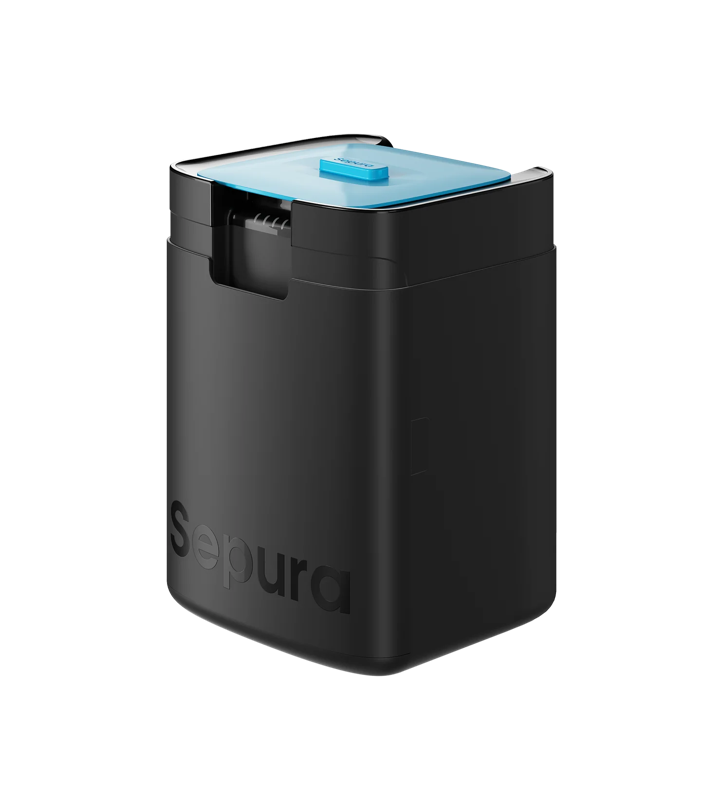
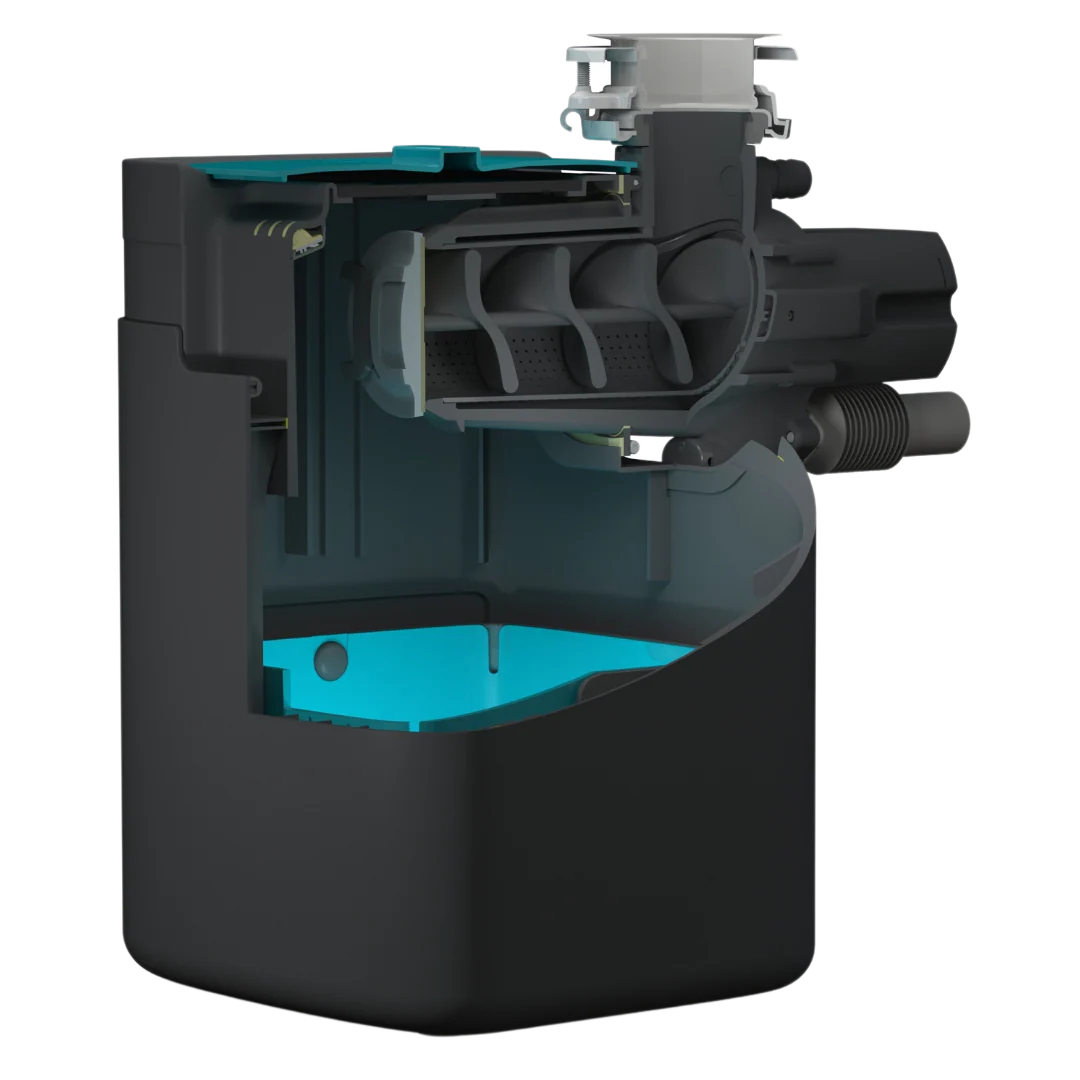
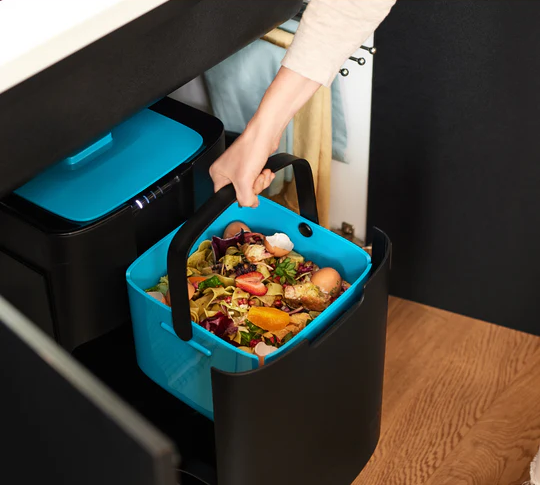
The solution had to satisfy both end-user usability and installation/service operations requirements.
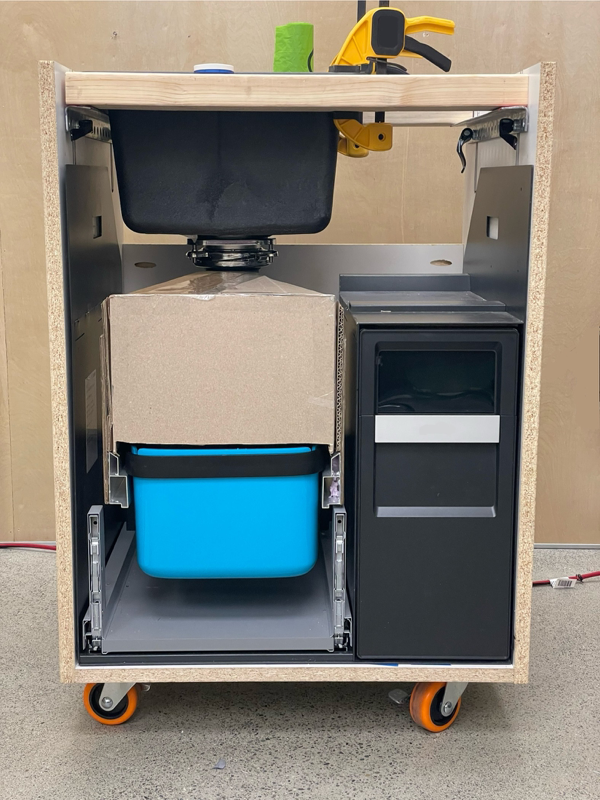
The redesign was not mainly about improving the mechanism. The friction lived in the moments people actually feel:
That shifted the work from “improve the device” to “improve the full interaction and maintenance system.”
I treated the project as a systems-and-workflow problem rather than a single mechanical object.
Worked from cabinet and plumbing constraints inward so the architecture would fit real installations, not idealized ones.
Looked across installation, hesitation to purchase/install, mess accumulation, cleaning, maintenance, and recovery after use.
Success meant fewer steps, fewer failure points, and faster return to ready state after emptying. That definition had to work for both users and partner operations.
Deposit → close → empty → rinse/reset
I focused on the actions users repeat most often, then used those interaction goals to drive mechanical and architectural changes.
The final objective was not just a better experience, but fewer parts, lower production burden, and less assembly complexity while meeting both our requirements and the partner’s.
This was not a cosmetic refinement of v1. The redesign changed:
The result was a product that was easier to install, easier to live with, easier to maintain, and simpler to build.
The redesign changed not just the form, but the product architecture, installation method, maintenance flow, and production complexity.
Drag the blue dot to compare size and profile.
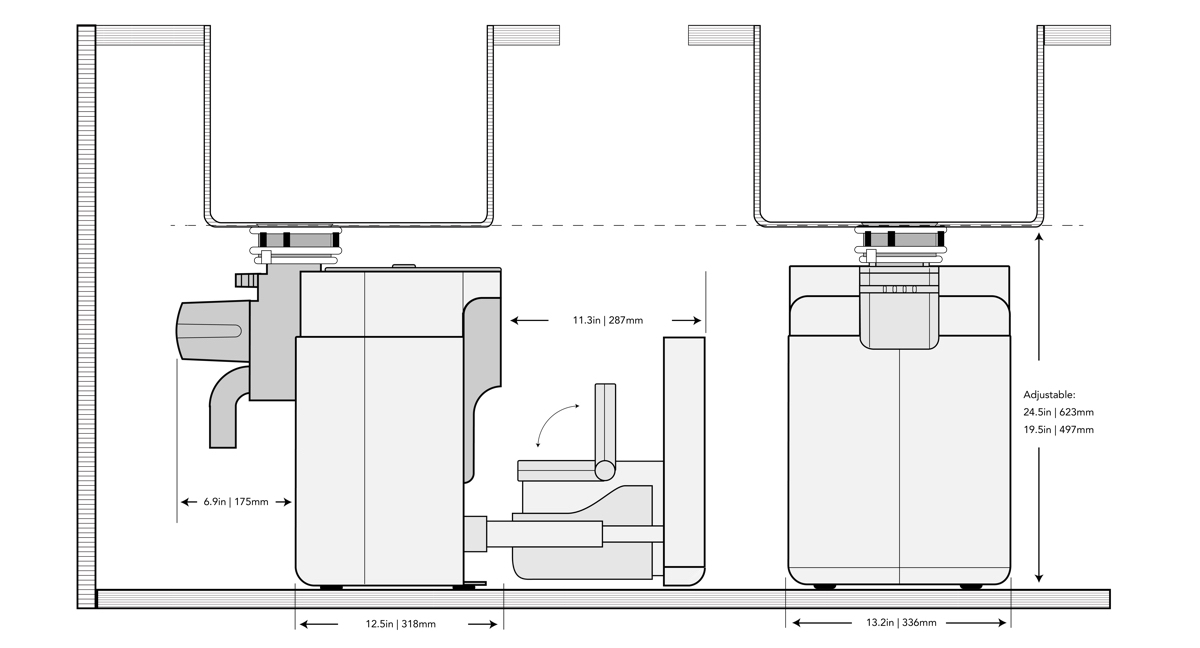
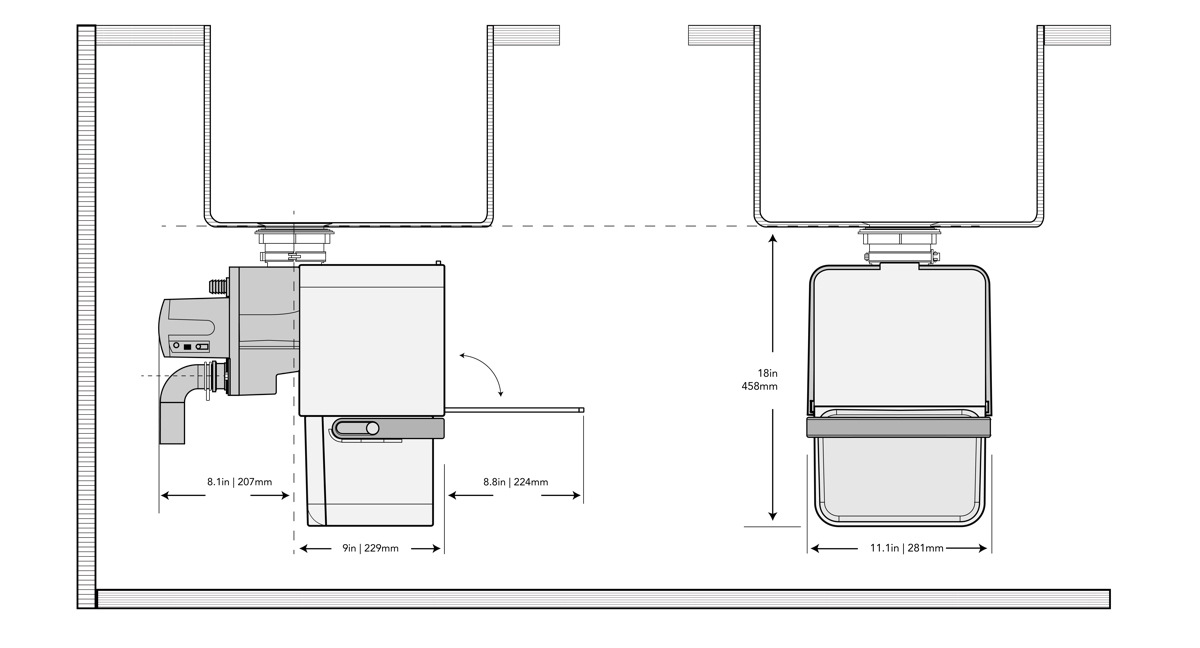
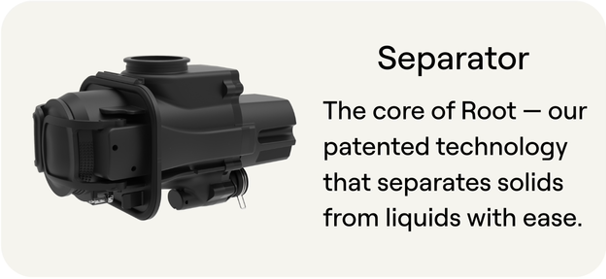
Version 2 achieved all internal and partner goals while substantially reducing day-to-day friction.
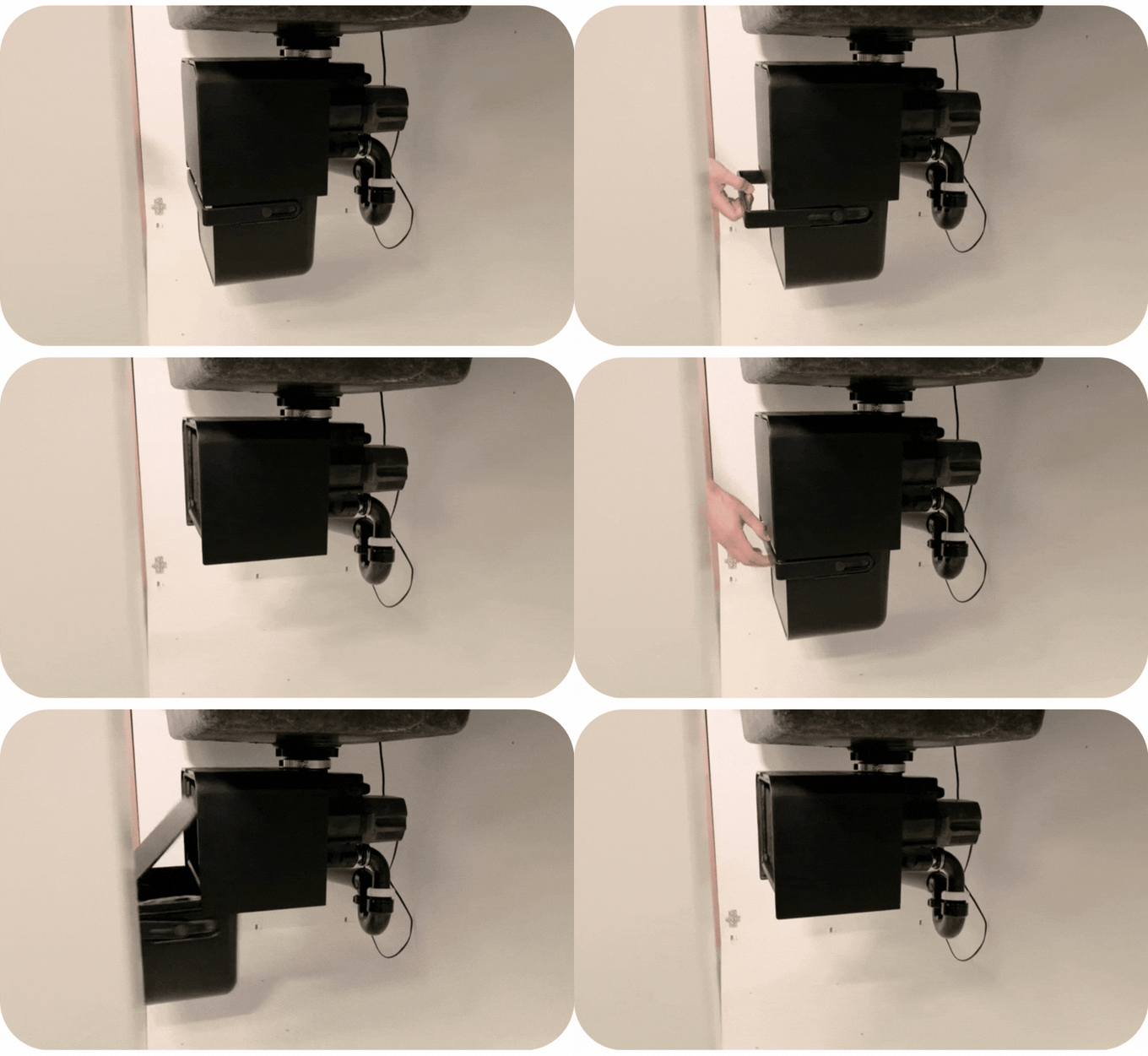

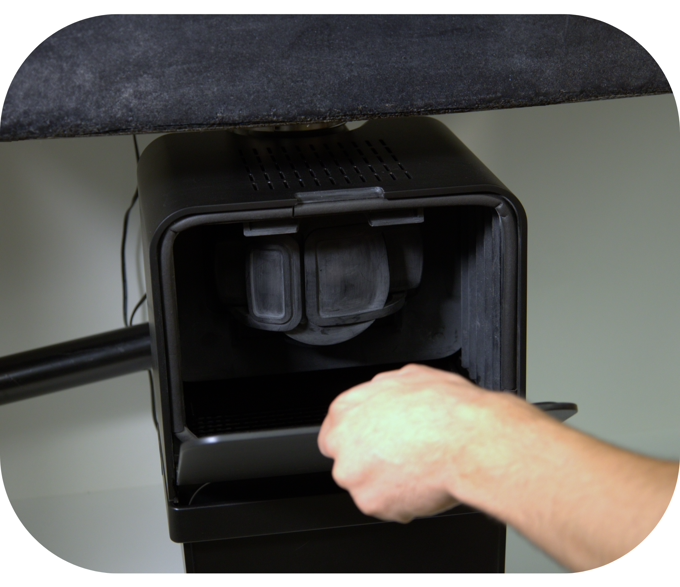
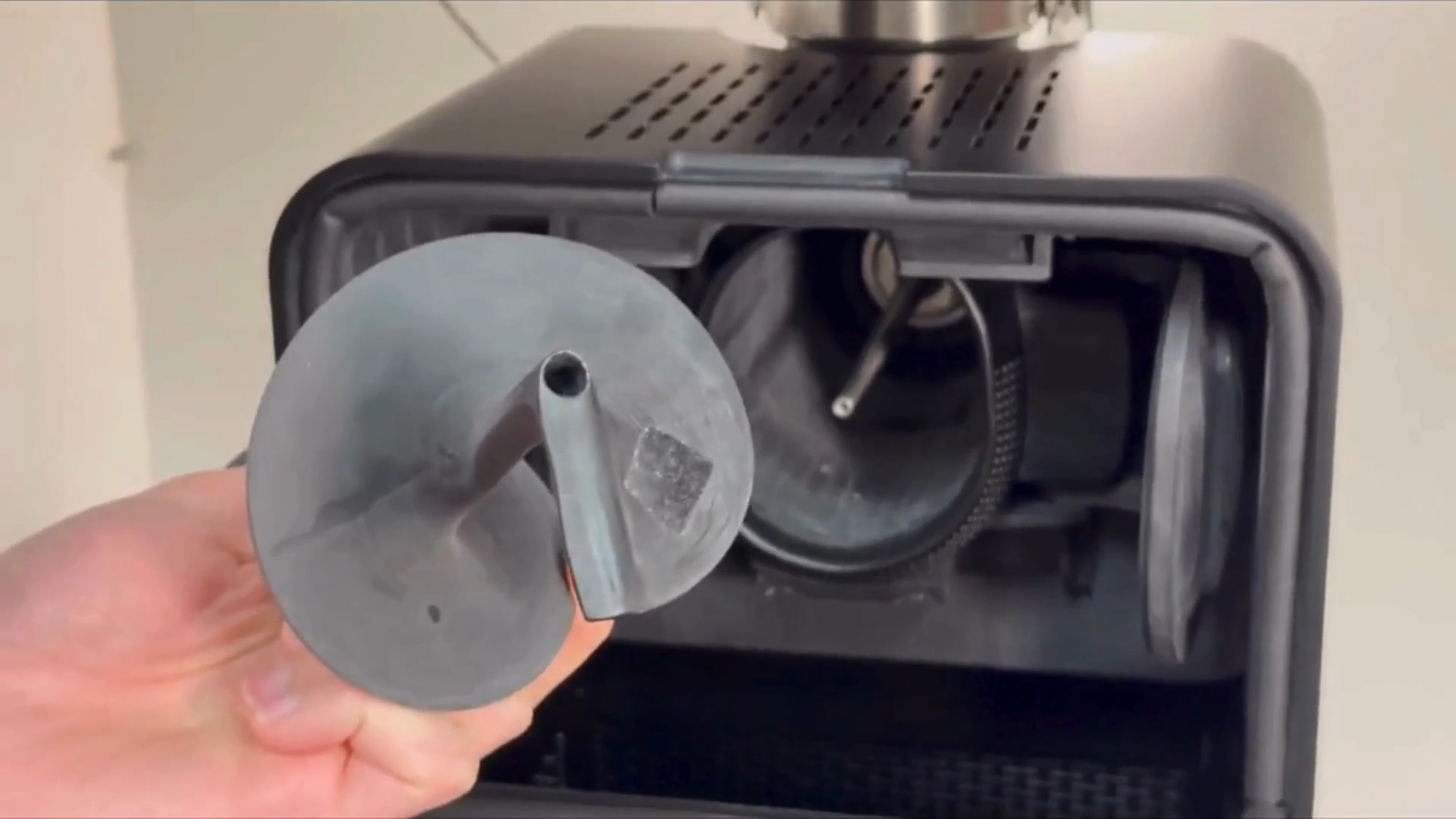
Version 1 proved the mechanism. Version 2 proved that the surrounding workflow mattered just as much as the core technology.
The biggest lesson was that interaction quality under constraint — installation, access, cleaning, and recovery — often determines whether a product feels viable in daily life.
If I were iterating again, I would prototype those friction points even earlier using rough models and real cabinet/plumbing scenarios, then measure: